Marathon Blood Safety: Why Compression Socks Matter More Than You Think
Compression socks for running
5 min read
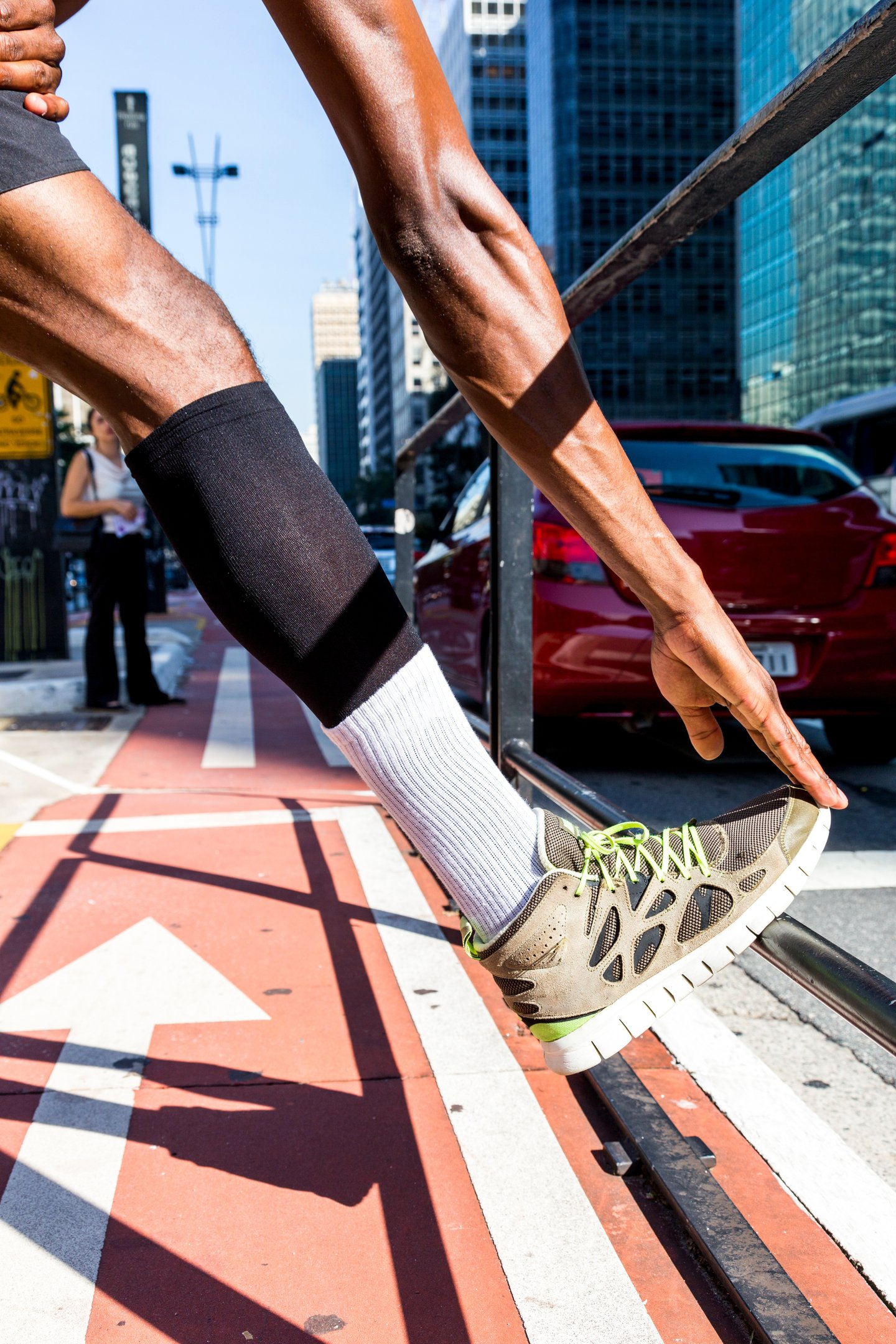
The Effect of Compression Socks Worn During a Marathon on Hemostatic Balance
Marathon running creates a complex cascade of changes in your blood's clotting and clot-dissolving systems that can have serious health implications both during and after your race. While some level of blood system activation is normal during intense exercise, understanding how compression socks for running can help maintain safer blood chemistry balance could be crucial for marathon runners – especially those at higher risk for blood clotting complications.
This research explores whether compression socks can help preserve the delicate equilibrium between clot formation and breakdown that keeps marathon runners safe from potentially dangerous blood chemistry changes.
Understanding Hemostatic Balance During Marathon Running
Your blood maintains a carefully orchestrated balance between two opposing systems: coagulation (clot formation) and fibrinolysis (clot breakdown). This balance, called hemostatic balance, prevents both excessive bleeding and dangerous clot formation under normal circumstances.
Marathon running dramatically disrupts this balance through several mechanisms:
Physical trauma from repetitive foot strikes activates clotting pathways
Dehydration concentrates clotting factors in your blood
Stress hormones released during intense exercise promote coagulation
Inflammatory responses from muscle damage stimulate clot formation
Heat stress and fluid shifts further complicate blood chemistry
Healthy runners typically maintain overall hemostatic balance even during intense exercise, but individual variations and additional risk factors can tip the scales toward potentially problematic clot formation or excessive bleeding tendency.
Measuring Blood Clotting Activity
Researchers can track these changes through specific blood markers that reveal the activity of your clotting systems:
Thrombin-Antithrombin Complex (TAT): Indicates active clot formation. Higher levels show your body is actively making blood clots.
Tissue Plasminogen Activator (t-PA): A protein that breaks down clots. Elevated levels indicate your fibrinolytic system is working to dissolve clots.
D-Dimer: A protein fragment released when clots are broken down. Higher levels indicate both increased clot formation and breakdown activity.
These markers help scientists understand whether marathon running pushes blood chemistry into potentially dangerous territory and whether interventions like compression socks can help maintain safer balance.
The Hartford Marathon Study
To investigate how compression socks benefits might extend to blood clotting safety, researchers studied 20 marathon runners during the 2013 Hartford Marathon. Participants were randomly divided into two groups: 10 wore compression socks during the race, while 10 served as controls wearing regular socks.
Blood samples were collected at three critical time points:
24 hours before the marathon (baseline)
Immediately after finishing the race
24 hours post-marathon (recovery)
This design allowed researchers to track how marathon running affected blood clotting systems and whether compression socks provided protective effects during the most vulnerable periods.
The Protective Effects of Compression
The results revealed encouraging trends in favor of compression sock use during marathon running:
Reduced Fibrinolytic Activity: Runners wearing compression socks showed significantly lower t-PA levels throughout the study period compared to controls (8.9 vs 11.2 ng/mL). This suggests less extreme activation of clot-breakdown systems, indicating a more balanced response.
Trend Toward Reduced Clot Formation: While not statistically significant, the compression sock group showed trends toward lower TAT levels (2.8 vs 3.4 µg/L), suggesting reduced active clot formation.
Overall Hemostatic Moderation: The combination of reduced fibrinolytic activity and trends toward lower coagulation activation suggests compression socks help maintain more balanced blood chemistry during marathon stress.
Safety Implications for Marathon Runners
These findings have important safety implications, particularly for runners who may be at higher risk for blood clotting complications:
Reduced Extreme Responses: By moderating both clot formation and breakdown systems, compression socks for women and men may help prevent the extreme blood chemistry changes that can occur during marathon running.
Protection During Vulnerable Periods: The effects were apparent both immediately after the race and 24 hours later, covering the periods when runners are most vulnerable to clotting complications.
Safety Confirmation: The study confirmed that compression socks don't create adverse effects on blood clotting systems, addressing concerns that compression might increase clotting risk.
Who Should Consider Marathon Compression Socks
While all marathon runners experience blood chemistry changes during racing, certain groups may particularly benefit from the hemostatic protection offered by compression socks:
Runners with Clotting Risk Factors: Those with personal or family histories of blood clots, genetic clotting disorders, or other cardiovascular risk factors may find additional safety in compression sock use.
Dehydration-Prone Runners: Athletes who struggle with fluid balance during long races may benefit from the additional protection against concentrated blood chemistry.
Travel-Related Risks: Runners who travel long distances to races (involving prolonged sitting) face additional clotting risks that compression socks may help mitigate.
Older Athletes: As clotting risk generally increases with age, masters marathon runners may particularly benefit from hemostatic protection.
The Broader Safety Picture
This research adds another layer to our understanding of compression sock benefits beyond performance and recovery. The hemostatic protection may be especially valuable when considered alongside other marathon safety concerns:
Multi-System Protection: Compression socks appear to provide cardiovascular protection through multiple pathways – circulation improvement, hemostatic balance, and potentially reduced cardiac stress.
Risk-Benefit Analysis: For marathon runners, compression socks appear to offer safety benefits without negative consequences, making them a low-risk intervention with potential high-value protection.
Individual Variation: While group averages showed protective trends, individual responses varied, highlighting the importance of personal risk assessment and medical consultation for high-risk runners.
Practical Applications
Based on these findings, marathon runners might consider:
Pre-Race Planning: Incorporating compression socks into race day strategy not just for performance or comfort, but as a safety measure for blood chemistry protection.
Risk Assessment: Runners with elevated clotting risks should discuss compression sock use with healthcare providers as part of comprehensive race safety planning.
Consistency of Use: The protective effects appear to extend beyond the immediate race period, suggesting consistent use during the race and early recovery may provide optimal benefits.
Understanding that marathon running significantly affects blood chemistry – and that simple interventions like compression socks can help maintain safer balance – provides marathon runners with valuable information for making informed decisions about race day safety strategies.
This research demonstrates that the benefits of compression socks extend far beyond simple circulation improvement to include meaningful protection of critical blood chemistry systems during one of the most physiologically demanding activities in recreational sports.
This research was conducted during the 2013 Hartford Marathon by Zaleski, Ballard, Pescatello, and colleagues to investigate the effect of compression socks on exercise-induced hemostatic activation and balance in endurance athletes running a marathon.
The Effect of Compression Socks Worn During a Marathon on Hemostatic Balance


Best compression socks in EU
You didn’t come this far to stop