Študija kaže: Maratonski tekači nastopajo bolje s kompresijskimi nogavicami po dirki
Kompresijske nogavice za krcne zile, kompresijske nogavice za tek, medicinske kompresijske nogavice, kompresijske nogavice za otrujene noge, kompresijske nogavice
5 min read
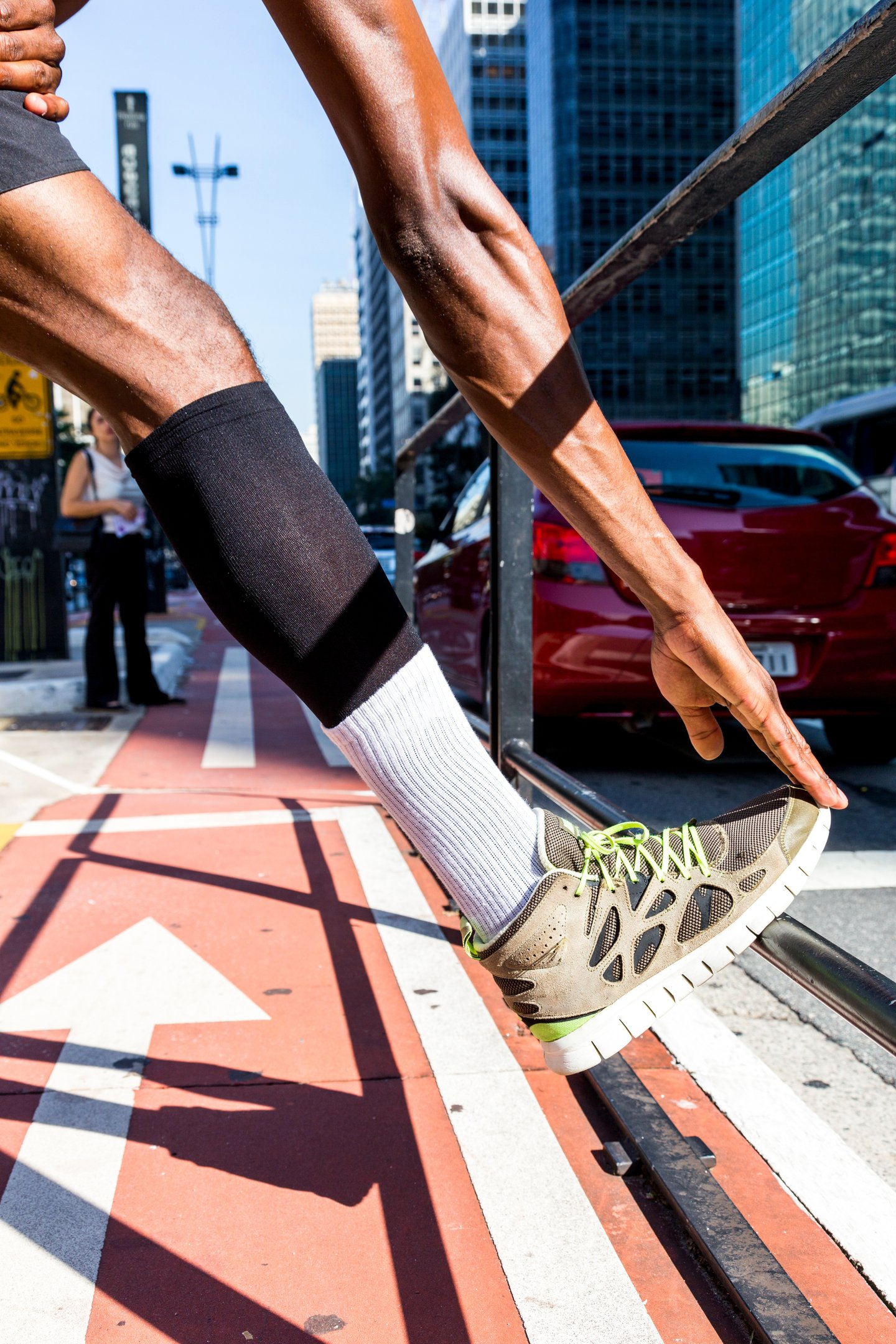
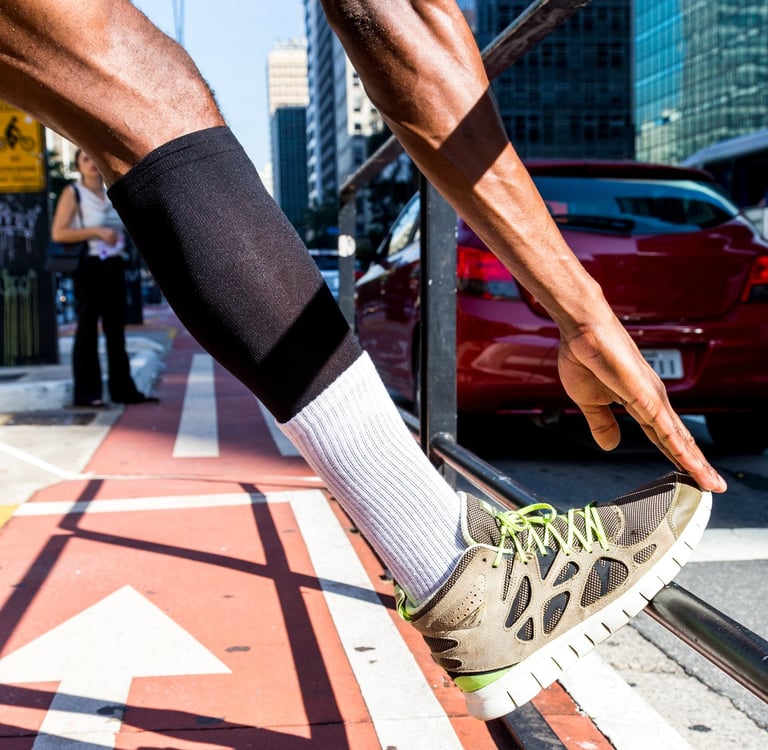
Compression Socks and Functional Recovery Following Marathon Running
For marathon runners, the question isn't just how to perform well on race day – it's how to bounce back stronger and return to peak performance as quickly as possible. While many recovery strategies focus on what you feel subjectively, groundbreaking research reveals that compression socks for running can provide measurable, long-lasting functional recovery benefits that extend far beyond the typical soreness and fatigue discussions.
This research challenges conventional thinking about post-marathon recovery and demonstrates that the right recovery strategy can actually make you a stronger athlete weeks after your race.
The True Test of Marathon Recovery
Most runners gauge their recovery by how they feel – whether their legs are sore, if they're sleeping well, or when they feel ready to run again. But these subjective measures don't always reflect your body's actual functional capacity. True recovery means your body has not only repaired the damage from marathon running but has returned to – or exceeded – its pre-race performance level.
To measure this objectively, researchers designed a study that would reveal whether marathon runners had genuinely recovered their functional capacity two weeks after their race. The test was both simple and brutal: a treadmill run to complete exhaustion, performed both before and after the marathon to compare actual performance changes.
This approach provided a clear, measurable answer to a critical question: Do compression socks benefits extend to genuine functional recovery, or are they merely helpful for comfort and subjective feelings of wellness?
The Study Design: Real-World Marathon Recovery
Thirty-three marathon runners participating in major Australian marathons (Melbourne, Canberra, and Gold Coast) volunteered for this rigorous study. The design was particularly robust:
Pre-Marathon Testing: Two weeks before their marathon, each runner completed a graded treadmill test to exhaustion, establishing their baseline functional capacity.
Randomized Groups: After completing their marathon, runners were randomly assigned to either wear compression socks or placebo socks (designed to look identical but provide minimal compression) for 48 hours immediately following the race.
Post-Marathon Testing: Exactly two weeks after the marathon, runners repeated the identical treadmill test to exhaustion, allowing researchers to measure changes in functional capacity.
Double-Blind Design: Neither the runners nor the researchers conducting the tests knew which group each participant was in, eliminating bias from the results.
The Striking Results
The findings revealed a dramatic difference in functional recovery between the two groups:
Compression Sock Group: Runners who wore compression socks for 48 hours after their marathon showed a 2.6% improvement in their time to exhaustion compared to their pre-marathon test. On average, they ran 52 seconds longer during their post-marathon test than they had before the race.
Placebo Group: Runners in the control group showed a 3.4% decline in performance, running an average of 62 seconds less during their post-marathon test compared to their baseline.
Statistical Significance: The difference between groups was statistically significant (p = 0.009), indicating this wasn't due to chance but represented a real physiological difference.
What This Means for Marathon Runners
These results have profound implications for understanding marathon recovery:
True Recovery vs. Incomplete Recovery: The compression sock group didn't just return to their pre-marathon fitness level – they actually improved beyond it. This suggests they achieved complete recovery plus adaptation benefits from their marathon training and racing.
Incomplete Recovery Without Intervention: The control group's decline in performance two weeks post-marathon indicates they hadn't fully recovered from the race. Despite feeling ready to run again, their bodies were still dealing with residual effects from the marathon.
Long-Term Benefits: The 48-hour compression sock intervention provided benefits that lasted at least two weeks, suggesting that proper post-marathon recovery can have lasting positive effects on performance.
The Mechanism Behind Enhanced Recovery
While the exact mechanisms aren't fully understood, several factors likely contribute to the superior recovery seen with compression socks for women and men:
Enhanced Circulation: Improved blood flow during the critical 48-hour post-marathon period may accelerate the removal of metabolic waste products and delivery of nutrients needed for repair and adaptation.
Reduced Inflammation: Compression may help manage the inflammatory response to marathon running, allowing for more efficient recovery processes.
Improved Sleep Quality: Better circulation and reduced discomfort may contribute to higher quality sleep during the crucial recovery period.
Accelerated Tissue Repair: Enhanced blood flow may speed the repair of micro-damage to muscles, connective tissues, and other structures stressed during marathon running.
Practical Applications for Marathon Runners
This research provides clear guidance for marathon recovery strategies:
Post-Race Protocol: Consider wearing compression socks for 48 hours immediately after marathon completion, not just during the race or for a few hours afterward.
Investment in Recovery: The functional benefits of proper compression sock use may justify the investment, particularly for runners who race multiple marathons per year or have ambitious training schedules.
Recovery Tracking: Consider functional tests (such as time trials or standardized workouts) rather than just subjective feelings to assess your true recovery status.
Training Cycle Planning: Understanding that proper recovery can actually lead to performance improvements may influence how you structure your training cycles around major races.
The Broader Context of Marathon Recovery
This study highlights an important principle: recovery isn't just about returning to your previous state – it's an opportunity for adaptation and improvement. The marathon represents a significant training stimulus, and how you handle the recovery period determines whether you'll gain fitness from the experience or simply return to baseline.
Active Recovery Strategy: Rather than viewing post-marathon recovery as passive rest, this research suggests that targeted interventions like compression sock use can actively enhance the recovery process.
Individual Response: While the group averages were clear, individual responses varied. Some runners may benefit more from compression interventions than others, suggesting the importance of experimenting with recovery strategies during training.
Cost-Benefit Analysis: The relatively simple intervention of wearing compression socks for 48 hours provided measurable performance benefits weeks later, representing an excellent return on investment for serious marathon runners.
Setting New Standards for Recovery
This research challenges runners to think differently about post-marathon recovery. Rather than simply waiting to feel better, active recovery strategies like compression sock use can actually make you a stronger athlete than you were before the race.
For marathon runners looking to maximize their racing investment and accelerate their improvement, the evidence suggests that proper post-race recovery – including targeted compression sock use – isn't optional but essential for optimal adaptation and performance gains.
This randomized controlled trial was conducted by Armstrong, Till, Maloney, and Harris to investigate whether wearing compression socks for 48 hours after marathon running could improve functional recovery as measured by a timed treadmill test to exhaustion 14 days following the marathon.
Compression Socks and Functional Recovery Following Marathon Running: A Randomized Controlled Trial


Best compression socks in EU
You didn’t come this far to stop