How Compression Stockings Cut Muscle Soreness by 85% After 10K Runs
Compression socks for running
6 min read
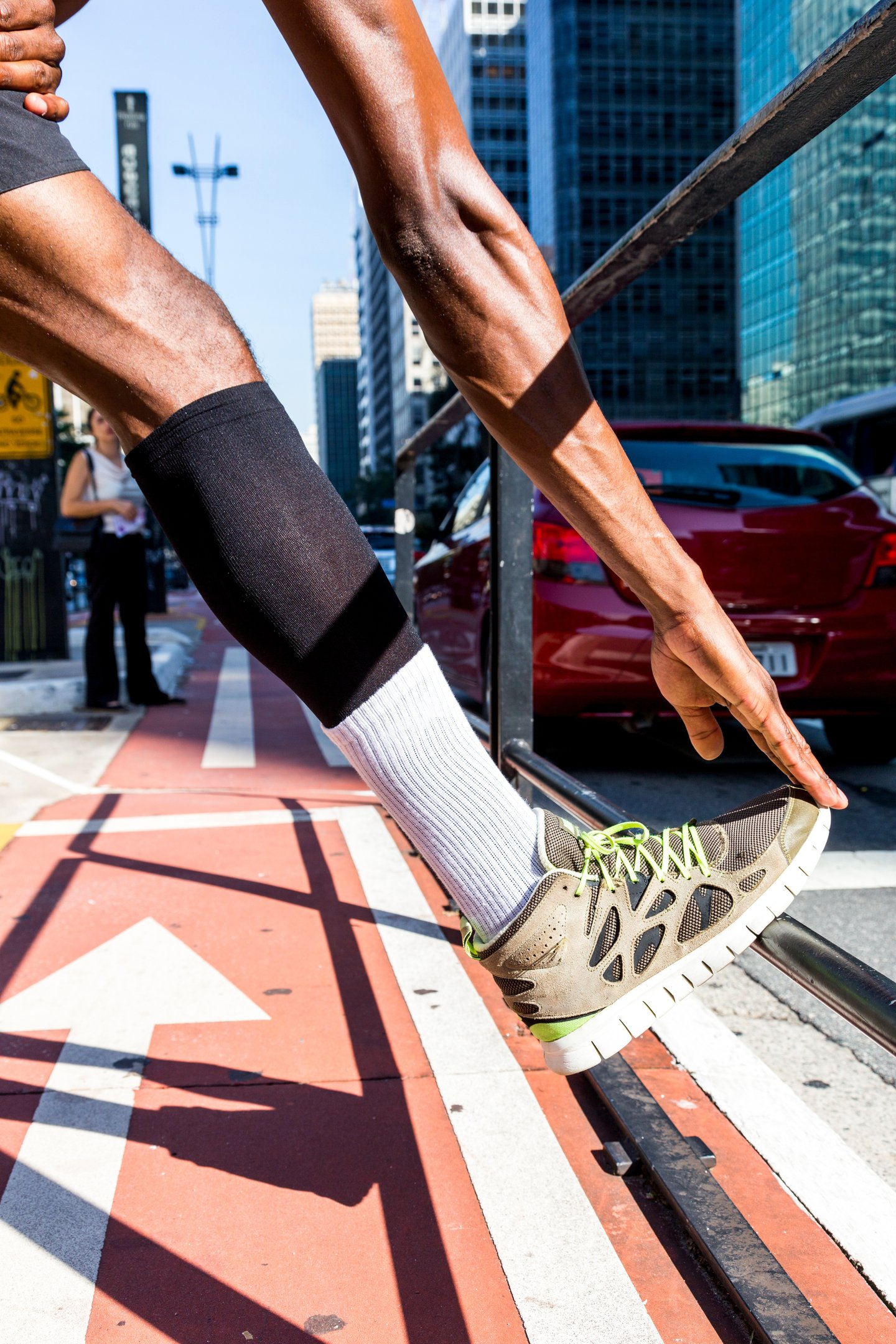
Graduated compression stockings: Physiological and perceptual responses during and after exercise
Understanding how compression affects both immediate exercise performance and post-exercise recovery provides valuable insights for recreational athletes considering compression socks benefits. A study examining two different exercise scenarios—intermittent shuttle running and continuous long-distance running—reveals important patterns about when compression provides measurable advantages.
The distinction between different exercise types is particularly important because athletic activities vary significantly in their demands on the body. Intermittent activities with repeated sprints and direction changes create different physiological stresses than continuous endurance running, potentially affecting how compression influences outcomes.
Dual Experiment Research Design
Researchers designed two separate experiments to examine compression effects across different exercise patterns. The first experiment involved fourteen recreational runners performing multi-stage intermittent shuttle running tests with one hour of recovery between tests. This protocol mimics sports requiring repeated high-intensity efforts with brief recovery periods.
The second experiment involved a different group of fourteen participants performing a fast-paced continuous 10-kilometer road run. This endurance protocol represents typical distance running activities that many recreational athletes regularly perform, making findings particularly relevant for compression socks for running applications.
Participants in both experiments wore commercially available knee-length graduated compression stockings providing 18-22 mmHg pressure at the ankle beneath regular sports socks, or wore only sports socks as a control condition. The randomized counterbalanced design ensured each participant experienced both conditions, eliminating individual fitness differences that might confound results.
This graduated compression range falls within the moderate category commonly found in compression socks for women and men marketed for athletic and daily use, making the findings directly applicable to products consumers typically encounter.
Intermittent Exercise: No Measurable Benefits
During the intermittent shuttle running tests, researchers found no performance or physiological differences between wearing compression stockings and regular socks alone. This finding suggests that compression doesn't enhance the body's ability to perform repeated high-intensity efforts separated by brief recovery periods.
The measurements included standard physiological markers that would reveal if compression improved oxygen delivery, metabolic efficiency, or cardiovascular function during intermittent exercise. The absence of differences across these parameters indicates that the body's natural responses to intermittent exercise are highly effective without external compression support.
These results align with other research showing that compression provides minimal benefits during active exercise when natural muscle pump action and cardiovascular responses are fully engaged. The intermittent nature of the exercise, with built-in recovery periods, may provide sufficient time for natural circulation recovery without needing external compression assistance.
For athletes participating in sports with intermittent running patterns—such as soccer, basketball, or tennis—these findings suggest that compression worn during competition may not provide measurable performance advantages during the activity itself.
Continuous Running: Significant Soreness Reduction
The continuous 10-kilometer running experiment revealed markedly different results. While compression didn't affect performance during the run itself, it produced significant reductions in delayed-onset muscle soreness 24 hours after exercise compared to the control condition.
The magnitude of this benefit was substantial: only two participants wearing compression stockings reported lower leg soreness 24 hours post-exercise, compared to thirteen participants in the control group who experienced soreness. This dramatic difference in soreness frequency suggests that compression provides meaningful protection against post-exercise discomfort in continuous endurance activities.
The location-specific nature of this benefit is noteworthy. Soreness reduction occurred specifically in the lower legs—the areas directly covered by compression—rather than throughout the entire body. This pattern confirms that compression effects are localized to compressed areas rather than providing systemic benefits.
For recreational runners who exercise several times per week, reduced muscle soreness could translate to improved comfort between training sessions and potentially better training consistency. The ability to recover more comfortably might support more regular exercise participation.
Understanding the Soreness Reduction Mechanism
The research suggests that compression's primary benefit for continuous running relates to recovery rather than performance enhancement. While runners completed the 10-kilometer distance in similar times regardless of compression use, the post-exercise recovery experience differed substantially.
Delayed-onset muscle soreness typically peaks 24-48 hours after exercise and relates to microscopic muscle damage from repeated contractions. The graduated compression likely helps by maintaining better circulation during exercise, supporting metabolic waste removal, and potentially reducing the inflammatory response that contributes to soreness.
The graduated pressure design—highest at the ankle and decreasing up the leg—helps maintain venous return during prolonged upright activity. This mechanism becomes particularly relevant during continuous exercise when sustained muscle contractions and repetitive impact accumulate over time.
For people who sit or stand for long periods, this understanding of compression's recovery benefits suggests potential applications beyond athletic performance. Maintaining better circulation during extended periods of activity or immobility might reduce subsequent discomfort and fatigue.
Practical Applications for Different Activities
The contrasting results between intermittent and continuous exercise provide practical guidance for compression use. For activities involving repeated sprints with recovery periods, compression may not provide measurable benefits during the activity itself or in immediate recovery.
However, for continuous endurance activities like distance running, cycling, or sustained walking, compression appears to provide significant recovery benefits even when performance during exercise remains unchanged. This distinction helps users target compression use toward applications where benefits are most likely.
Compression socks for pregnancy applications may follow similar patterns, with benefits more related to reducing discomfort during extended periods of activity or standing rather than enhancing physical performance during the activity itself.
Recovery-Focused Compression Strategy
The findings support using compression primarily as a recovery tool rather than a performance enhancer for continuous endurance activities. Wearing compression during long runs, walks, or periods of sustained activity may not improve immediate performance but could substantially reduce subsequent muscle soreness.
This recovery benefit could be particularly valuable for recreational athletes who balance exercise with work, family, and other commitments. Reduced muscle soreness means less discomfort during daily activities following exercise, potentially supporting better exercise adherence and overall quality of life.
The 24-hour post-exercise measurement timing suggests that compression benefits extend well beyond the immediate post-exercise period. This sustained effect indicates that compression influences the recovery process rather than just providing temporary symptom relief.
Individual Response Considerations
While the study showed clear group-level benefits for soreness reduction, individual responses varied. Two participants still experienced soreness even while wearing compression, indicating that compression doesn't universally prevent all post-exercise discomfort.
These individual differences highlight the importance of personal experimentation when deciding whether compression provides value. Some users may experience dramatic soreness reduction, while others notice more modest benefits. Factors like fitness level, running mechanics, and individual physiology likely influence compression effectiveness.
For older adults or individuals new to exercise, compression might provide even more noticeable benefits if their natural recovery mechanisms are less robust than those of experienced recreational runners who participated in this study.
Travel and Daily Activity Applications
While the study focused on exercise contexts, the findings have implications for other compression applications. Compression socks for flying benefit from similar mechanisms—maintaining circulation during prolonged immobility to reduce subsequent discomfort and swelling.
The graduated pressure profile that proved effective for reducing running-related soreness also supports circulation during extended sitting or standing. Understanding that compression's primary benefits relate to circulation maintenance and recovery rather than immediate performance enhancement helps clarify its value across different applications.
For people who stand all day at work, wearing compression during working hours might reduce leg fatigue and discomfort experienced in the evening, similar to how runners experienced less soreness 24 hours after their runs while wearing compression.
Product Selection Guidance
The study used commercially available graduated compression stockings providing 18-22 mmHg pressure at the ankle—a moderate compression level available without prescription. This pressure range represents a practical option for most recreational users seeking recovery benefits.
The graduated profile, with higher pressure at the ankle decreasing up the leg, proved effective for soreness reduction. This design feature should be prioritized when selecting compression products for recovery purposes rather than assuming any tight-fitting garment provides equivalent benefits.
Proper fit remains crucial for achieving the pressure profile tested in this research. Compression stockings should provide firm but comfortable pressure without creating tourniquet effects or excessive discomfort that might discourage consistent use.
This research was conducted by Ali, Caine, and Snow, who examined how graduated compression stockings affect physiological responses and muscle soreness during and after both intermittent shuttle running and continuous 10-kilometer road running in recreationally active men.
Graduated compression stockings: physiological and perceptual responses during and after exercise

Best compression socks
by community and science
You didn’t come this far to stop