How Compression Levels Affect Posture in Older Adults
Compression socks for seniors
6 min read
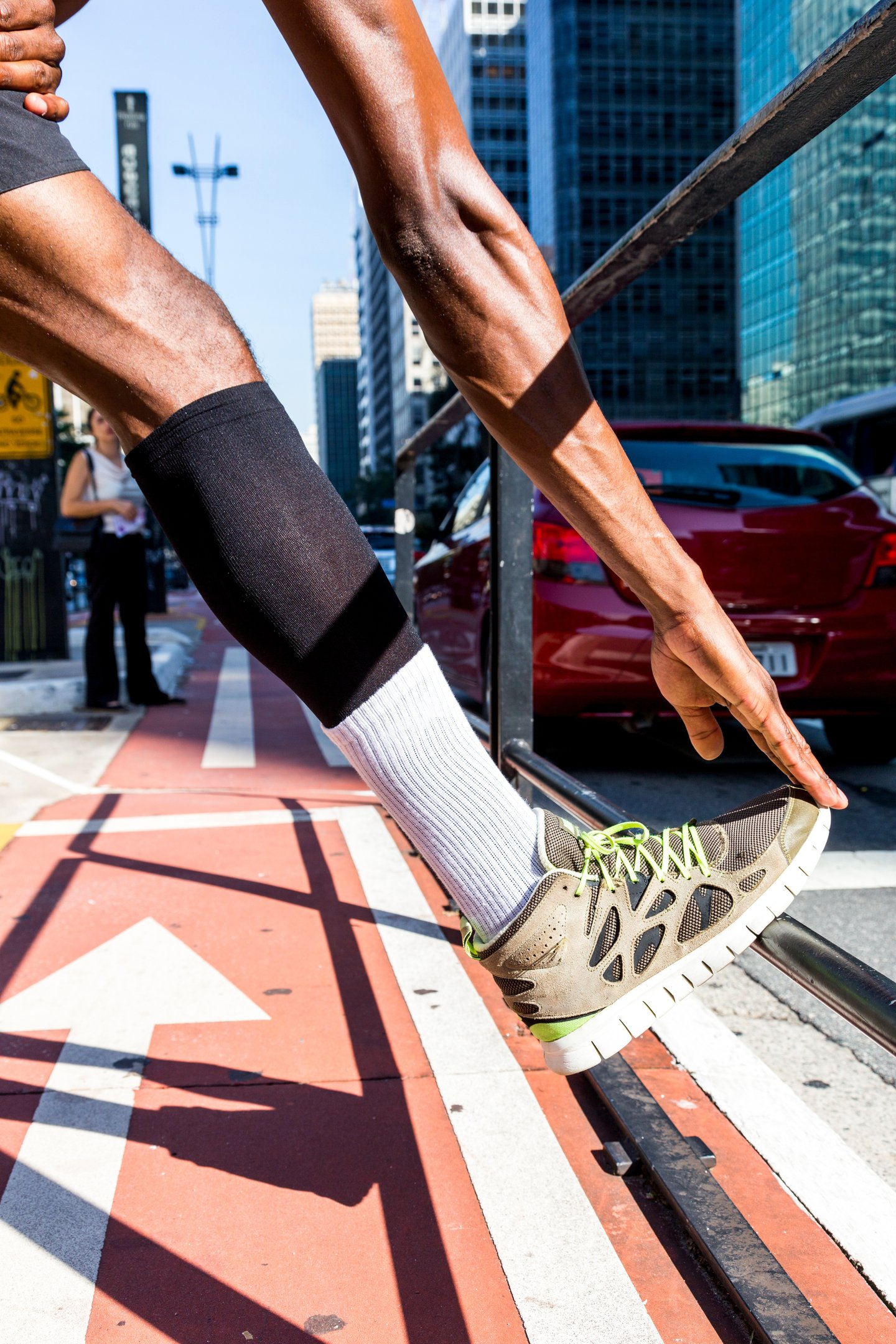
Compression Socks Immediately Improve Postural Stability in Healthy Older Adults
Maintaining stable posture becomes increasingly challenging with age, even for healthy older adults who remain active and independent. Research examining immediate effects of wearing knee-length compression socks on postural regulation in community-dwelling elderly men and women reveals that these garments provide instant balance benefits without requiring adaptation periods.
Understanding how compression levels affect postural control helps older adults choose appropriate interventions for maintaining stability and reducing fall risk.
Age-Related Changes in Postural Control
Healthy aging brings gradual declines in multiple systems supporting postural stability. Sensory changes reduce proprioceptive acuity, visual processing slows, and vestibular function deteriorates. Simultaneously, muscle strength decreases and reaction times lengthen, compromising the motor responses needed to maintain balance.
These changes don't necessarily cause overt balance problems in healthy elderly individuals, but they reduce stability margins—the buffer between normal function and falling. Reduced margins mean smaller perturbations or more challenging conditions can threaten balance that remains adequate during simple standing.
Postural sway—the small body movements occurring during quiet standing—typically increases with age. Excessive sway indicates reduced postural control and predicts fall risk. Interventions reducing sway in older adults potentially improve safety during daily activities.
Research Design and Compression Levels
Researchers recruited healthy community-dwelling older adults to assess immediate effects of wearing compression knee-length socks differing in pressure levels. Participants completed balance testing under four conditions: no compression, low compression (10-15 mmHg), moderate compression (15-20 mmHg), and high compression (20-30 mmHg).
Testing occurred during single sessions with participants experiencing all four conditions. This within-subjects design eliminates individual differences that might obscure compression effects and allows precise comparison of how different pressure levels affect balance.
Researchers measured postural stability during standing on both stable surfaces and unstable foam pads. Stable surface testing assesses basic balance capabilities, while unstable surfaces challenge balance systems more intensively, revealing effects that might not appear during easier tasks.
Advanced force platform technology quantified body sway in multiple directions, providing objective measurements of postural control quality. Participants also rated subjective stability confidence under each condition.
Reduced Postural Sway with Compression
Results demonstrated that wearing compression socks significantly reduced postural sway in healthy elderly participants compared to no compression. This immediate improvement occurred without practice or adaptation, indicating compression's effects begin as soon as garments are donned.
The sway reduction proved most pronounced during unstable surface testing, where balance systems face greater challenges. Compression provided noticeable benefits even during difficult balance conditions that reveal deficits not apparent during simple standing.
All three compression levels reduced sway compared to no compression, though moderate and high compression showed slightly greater effects than low compression during the most challenging balance tasks.
Compression Level Comparison
Interestingly, the study found relatively modest differences between moderate (15-20 mmHg) and high (20-30 mmHg) compression regarding balance benefits. Both provided substantial postural stability improvements, with high compression showing only marginal additional advantage during specific difficult conditions.
Low compression (10-15 mmHg) improved balance compared to no compression but provided somewhat less benefit than higher pressure levels. This suggests minimum compression thresholds exist for optimal proprioceptive enhancement.
These findings indicate compression socks for women and men in the 15-20 mmHg range likely provide adequate balance support for most healthy older adults, reserving 20-30 mmHg compression for those needing maximum stability enhancement or tolerating higher pressure comfortably.
Mechanisms of Postural Improvement
Compression enhances postural stability through sensory mechanisms rather than mechanical support during standing. The graduated pressure provides constant tactile stimulation to skin mechanoreceptors throughout the lower leg, enhancing sensory information available for balance control.
This supplemental cutaneous feedback helps compensate for age-related declines in proprioceptive acuity from deeper muscle and joint receptors. The enhanced sensory input allows more precise detection of body sway and earlier triggering of corrective muscle activations maintaining balance.
Compression may also improve vascular function and tissue oxygenation, potentially optimizing metabolic conditions for nerve function and muscle performance during balance maintenance.
Immediate vs. Long-Term Effects
The immediate balance improvements from compression prove particularly valuable for practical application. Unlike interventions requiring weeks of training or adaptation, older adults experience enhanced stability the first time they wear compression socks.
This immediate effect means compression can be used situationally—worn specifically during activities requiring optimal balance like walking outdoors, navigating crowded areas, or participating in exercise classes. The instant benefit doesn't require daily wear to maintain effectiveness.
However, consistent use during risky activities provides ongoing protection. While single-session testing demonstrated immediate effects, regular compression wear throughout active portions of days may provide cumulative benefits through sustained sensory enhancement and potential training effects on balance systems.
Applications for Active Aging
Healthy, active older adults can strategically incorporate compression into daily routines to support postural stability during challenging situations. Compression socks benefits become most apparent during activities where balance is tested—walking on uneven terrain, exercising, traveling through airports, or standing in crowded venues.
Morning wear during daily activities followed by removal at rest periods provides balance support when needed while allowing skin time without compression. Some older adults prefer wearing compression throughout entire active days for consistent stability enhancement.
The improved balance confidence from compression may encourage activity participation that maintains overall health and functional ability. Reduced fear of instability allows engagement in beneficial activities like walking, exercise classes, or social outings.
Comparison with Other Balance Interventions
Compression provides different benefits than traditional balance training exercises. Exercise programs improve underlying neuromuscular capabilities—strength, coordination, reflexes—that support balance. These adaptations require weeks or months to develop but create lasting improvements.
Compression offers immediate sensory enhancement working with existing capabilities rather than developing new ones. The two approaches complement each other: balance training builds fundamental capacity while compression provides day-to-day support optimizing performance of those capabilities.
Combining regular balance exercise with compression use during challenging activities likely provides synergistic benefits exceeding either intervention alone.
Practical Selection Guidance
Based on research findings, healthy older adults should consider starting with 15-20 mmHg compression knee-high socks. This moderate pressure provides substantial postural benefits while remaining comfortable for extended wear.
Those finding 15-20 mmHg insufficient or tolerating higher pressure comfortably can try 20-30 mmHg compression for marginal additional stability enhancement. Conversely, individuals sensitive to pressure might start with 10-15 mmHg, accepting slightly reduced benefit for improved comfort.
Proper sizing ensures effective compression distribution and comfort. Measure calf and ankle circumference according to manufacturer guidelines, as incorrect sizing compromises both effectiveness and tolerability.
Subjective Stability Confidence
Beyond objective sway measurements, participants reported increased subjective stability confidence when wearing compression. This perceived improvement matters significantly for activity participation and fall risk reduction.
Fear of falling often limits activity in older adults even when objective balance remains adequate. Enhanced stability awareness from compression reduces movement apprehension, supporting continued engagement in beneficial activities.
The combination of actual balance improvement and increased confidence creates virtuous cycles where reduced fear allows more activity, which maintains fitness supporting further balance capability.
Individual Variation and Personalization
The study revealed individual differences in optimal compression levels. Some older adults achieved maximum benefit with moderate compression, while others showed additional improvements with higher pressures.
Personal experimentation helps identify optimal compression for individual needs. Try different compression levels during typical activities, assessing both objective stability and subjective confidence. Choose the compression providing best balance between effectiveness and comfort for consistent long-term use.
Safety Considerations
While generally safe for healthy older adults, compression socks require appropriate assessment before use. Older adults with peripheral arterial disease, severe diabetes with neuropathy, or significant circulatory problems should consult healthcare providers before wearing compression.
Improper sizing creating constriction rather than graduated pressure can impair circulation. Ensure compression fits correctly and doesn't create tight bands at sock tops potentially restricting blood flow.
Remove compression if experiencing numbness, tingling, color changes, or significant discomfort—signs of excessive pressure or improper fit requiring reassessment.
This research was conducted by investigators who examined immediate effects of wearing knee-length compression socks at different pressure levels on postural regulation in healthy elderly men and women during standing on stable and unstable surfaces.

Best compression socks
by community and science
You didn’t come this far to stop